Lead-Safe Prep on Older Riverside Homes

A house built before 1978 can carry six, eight or ten layers of paint, and the oldest layers may hold lead. Painters on older Riverside, CA streets near Mount Rubidoux and the Mission Inn treat every scraped chip as suspect, and the figures kept at riverside painters clothes made from scrap show how much of the job is prep before any color goes on.
Testing before touching
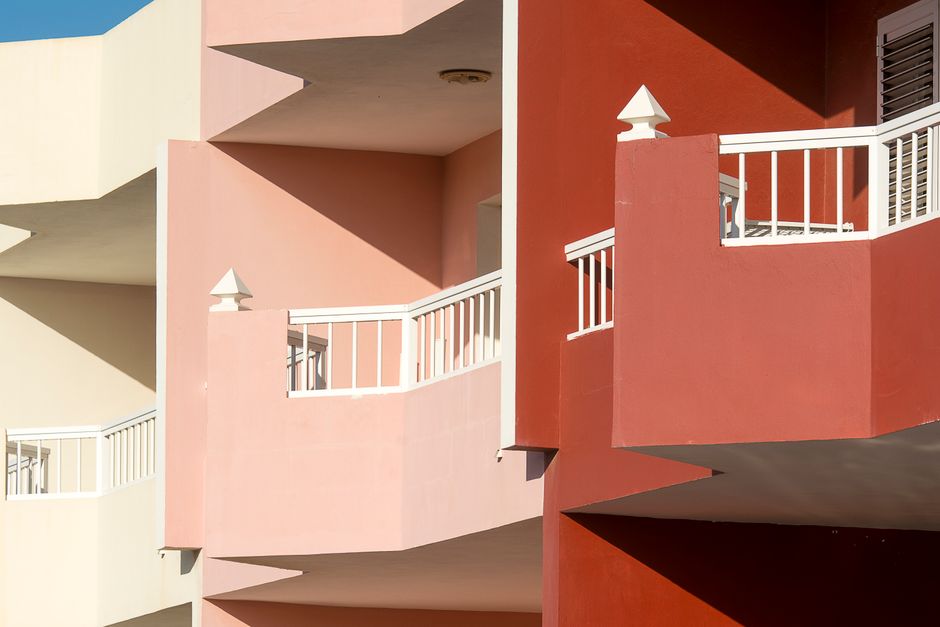
A crew starts by assuming old paint is a risk until a test says otherwise. Swab kits give a quick answer on a small spot, and a lab sample settles harder cases. The result decides how the rest of the work is set up. Painters never sand first and ask later, because dust from one unprotected pass settles in carpet and on counters and stays there.
Containment on the ground and at the wall
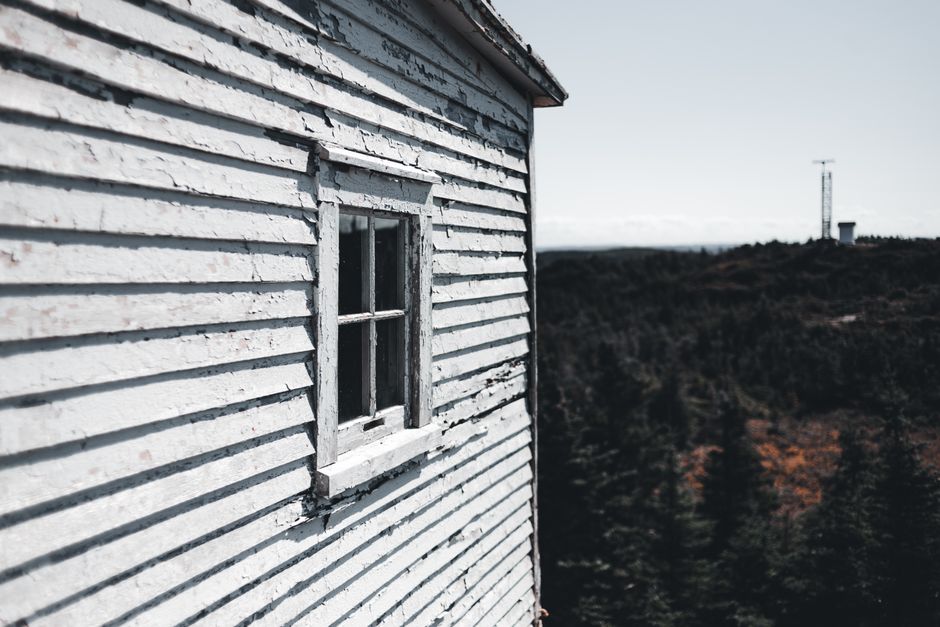
Heavy plastic sheeting goes down under the work area and runs out several feet from the wall, taped at the edges to the foundation. Windows and doors near the work are shut and sealed. Plastic catches chips and keeps them off soil and garden beds, which matters because children and pets use those yards. Fans stay off, since moving air carries fine dust where the sheeting does not reach.
Wet scraping, no dry sanding
Dry sanding old paint throws fine dust into the air. Crews mist the surface lightly with a spray bottle and scrape while it is damp, which keeps the dust heavy and on the sheeting. Power sanders and heat guns stay in the truck, and a hand scraper and a sanding sponge do the job. Chips are swept up wet. Edges where old paint is sound get a scuff sand to give the primer something to bite, and feathering the edges of stable paint takes patience.
HEPA vacuums and cleanup
A regular shop vacuum blows fine dust back out of the exhaust. A HEPA vacuum traps it, so every surface, window sill and floor gets a pass before and after the work. The plastic is folded in on itself, dirt side in, taped shut and bagged. Work clothes stay at the site, and hands and faces get washed before anyone eats or drinks. A damp wipe on every ledge finishes the job.
Sealing what stays
Good old paint that is left in place gets sealed. Patching and spackle fill gouges, caulk goes into the joints, and a bonding primer locks down what remains before two coats of acrylic or latex topcoat. A sound coating over old layers is safer than a bare wall, and the order of work (test, contain, wet scrape, vacuum, seal, paint) stays fixed on every older house.
Why age matters in Riverside
The Inland Empire has plenty of homes from the early and middle twentieth century, from craftsman bungalows to ranch houses, and many have been repainted without ever being stripped. That history sits in the walls. A crew that works these streets plans each job around the possibility.