Spraying or Brushing a Riverside Stucco House
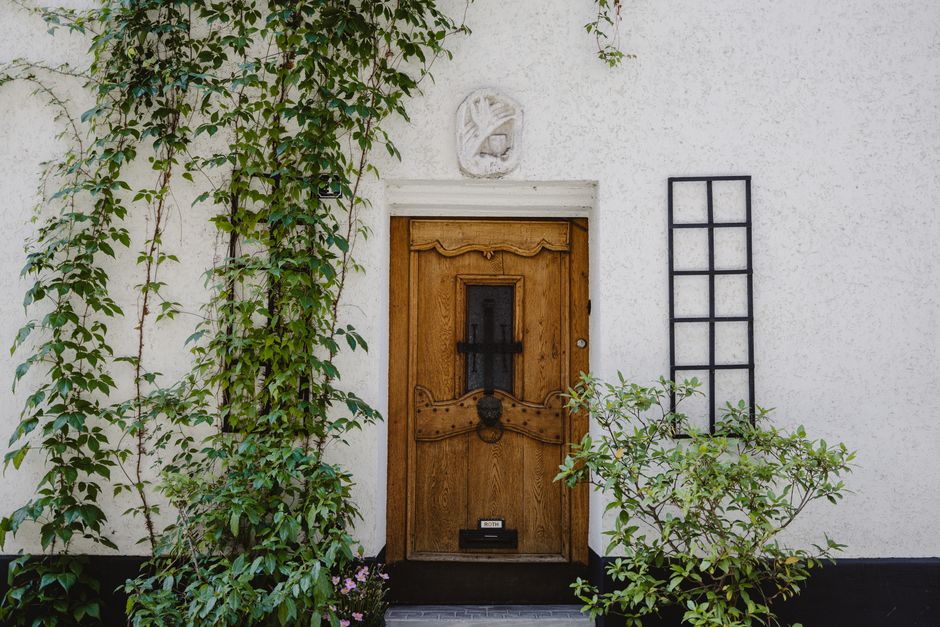
A sprayer never finishes a stucco wall by itself. Painters in Riverside, CA know this, and the running record riverside painters clothes made from scrap holds shows the same sequence on house after house: spray the field, back-roll it while wet, then cut in the trim by brush.
What the spray rig is good at

Stucco has a rough, pitted face with hundreds of small shadows in every square foot. A roller reaches the high points and skips the low ones, while an airless sprayer drives paint into every pit in one pass. On a large wall that means coverage in a fraction of the time, and the sprayer is the tool that makes a full exterior repaint possible in a few working days instead of a few weeks.
Why back-rolling follows the spray
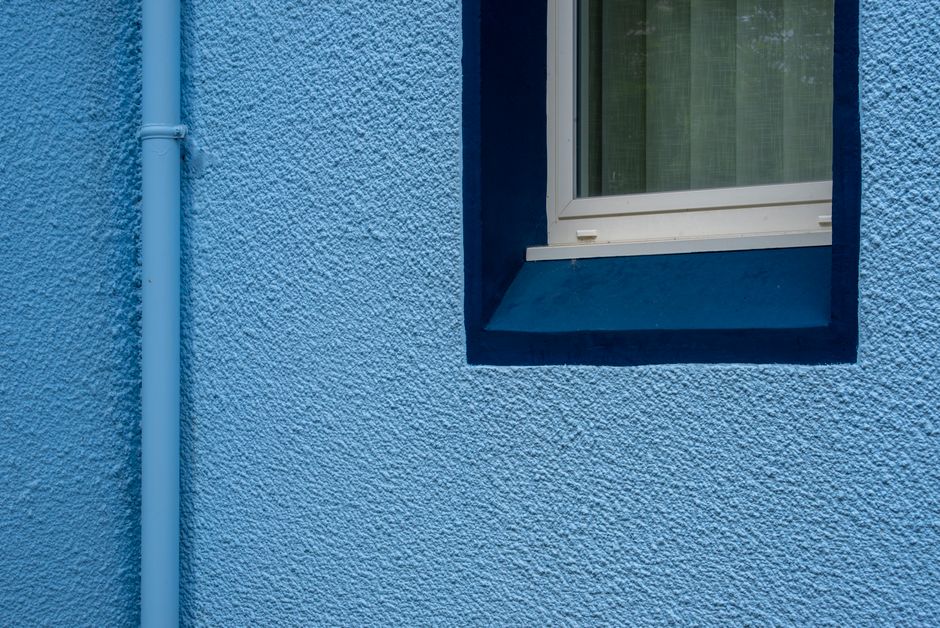
Spray alone leaves paint sitting on the surface of the texture without working into it. A second painter follows behind with a thick-nap roller and rolls the wet paint into the face, which pushes it into hairline cracks and gives the film a bond that a bare spray pattern does not. The roller also evens out any heavy spots where the gun lingered. Spraying and back-rolling in the same stretch of wall, before the paint skins over, is the standard method for stucco.
Masking windows and everything else
Spraying throws a fine mist, so everything that is not being painted gets covered first. Windows, door glass, light fixtures, hose bibs, vents and the base of the wall get paper and tape. Masking a single story can take half a morning, and a crew counts that time as part of the job, because a clean sprayed edge depends on it. Tape comes off the same day, before the paint cures hard around it.
Afternoon wind in the Inland Empire
Riverside gets steady afternoon breezes, especially when the wind comes through the Santa Ana River corridor. Mist carries on that air, so spraying belongs to the calm early hours. If the wind picks up, the sprayer is shut off and a roller takes over. A light leaf on a tree is enough warning to stop.
Where the brush still wins
Trim, fascia, window frames, doors and any smooth wood are done by brush. A brush works paint into joints and leaves a cleaner line against a spray edge. Cut in around windows and under eaves before or after the field is sprayed, depending on the order that suits the house. Caulk goes in at every trim joint first, and spackle fills nail holes and small chips before primer.
Matching the method to the house
A big plain stucco box suits the spray rig. A house with heavy trim, many windows and tight side yards gets more brush and roller, because masking costs more time than it saves. Crews choose by counting the edges, the open yard and the wind, not by habit.